
Commerce Everywhere, But Human-First: The No-B.S. Guide to Shopify Editions Spring ‘26

By Mariana Jolles
Updated at 9 Jul. 2026

Let’s be honest for a second. You are running a business, managing teams, and trying to keep your customers happy. You do not have the time, or the desire, to scroll through a massive, 150+ product update dump from Shopify.
Twice a year, Shopify drops its Editions showcase, and twice a year, the internet gets flooded with generic summaries that read like a dry instruction manual.
At Dango, we like to do things a bit differently. We understand how crazy busy we all are, we care deeply about growth, and frankly we actually enjoy cutting through the noise: so here is our take on the things that actually matter when talking ecom from Shopify’s 150+ updates.
The overarching theme of the Shopify Editions Spring ‘26 is "Commerce Everywhere", heavily centered around AI.
Our take? Underneath all the AI headlines, this release is really about fixing the old operational bottlenecks that have quietly limited growth for brands for years.
Here is the business-first breakdown of what actually matters to your bottom line.
1. Agentic Ecommerce: The rise of AI (with a human brain)
Shopify is leaning hard into autonomous AI agents. You’ll hear a lot of noise about this, and our stance at Dango is simple: if using AI means your business becomes more efficient, we are 1000% here for it.
However, AI doesn’t know your brand’s soul. True breakthroughs still happen because of brilliant human minds who understand the context, the market, and the customer.
The real magic to look out for here centers on new experiences built with the Catalog API and the Universal Commerce Protocol (UCP). Essentially, Shopify has built a massive unified backend data intelligence layer.
The Plumbing (Catalog API & UCP)
Shopify Catalog automatically standardizes and enriches your product data so AI systems can read it perfectly, while UCP houses the entire flow from discovery to native checkouts right inside AI chats (like Microsoft Copilot or ChatGPT). Brands are already seeing products sold via these optimized AI channels convert at twice the rate of unoptimized listings. It allows developers to build custom shopping experiences embedded directly into everyday activities.
We've talked before on this blog about how this works and more importantly, how to get your store ready for it.
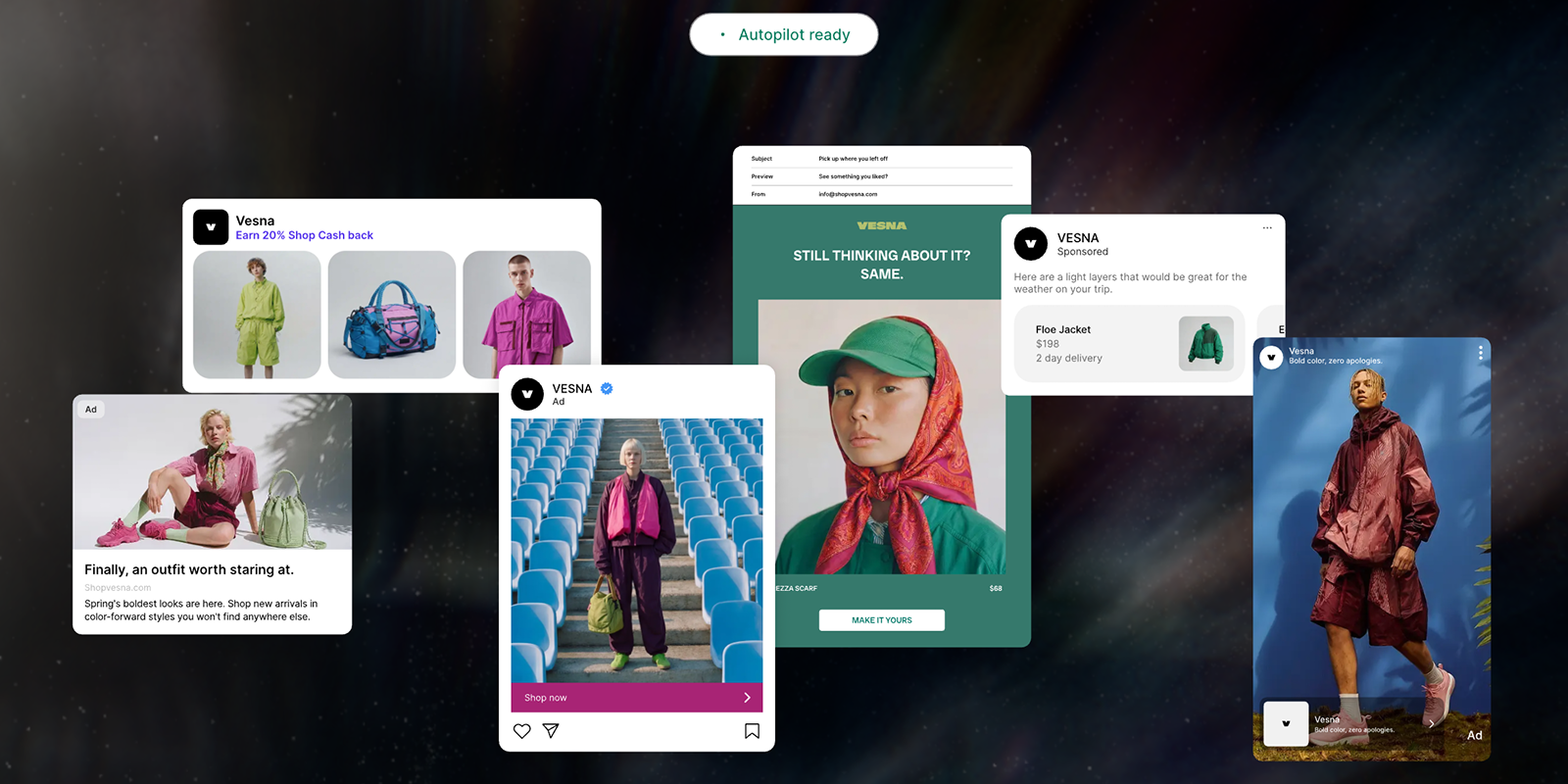
Campaign Autopilot
For lean marketing teams, this is a game-changer. It is an early-access feature that lets AI handle the continuous optimization of your cross-channel marketing spend and creative execution, keeping your ads continuously tuned without requiring a 24/7 dedicated hire. See it on your store.
2. Big Wins for Everyday Operations: Locations, personalization, and fewer headaches overall
Shopify FINALLY addressed several legacy pain points. Better locations, smarter personalization, and a smoother operating experience.
Next-Level Market & Location Management
International expansion used to be clunky. Now, you get:
- Discounts tailored by specific markets
- Better sales channel control per market
- The ability to do scheduling and testing for localized themes. You can literally test how a specific country’s storefront looks and behaves before it goes live.
Refreshed Customer Accounts & 365-Day Sessions
Friction is the ultimate conversion killer. Customer accounts have been completely modernized, and with 365-day sessions, your buyers stay logged in for a full year. Less logging in = faster path-to-purchase.
Tax-Inclusive Pricing for Shopify Collective
If you use Collective to cross-sell products from other brands, managing international taxes just got seamless.Instead of forcing you to manually calculate margins for different regions, Shopify now automatically toggles your product pricing to be tax-inclusive (like VAT for UK/EU shoppers) or tax-exclusive (for US/Canada) based entirely on where the customer is browsing from removing any nasty tax surprises at checkout.
Multi-Entity Selling Across Retail Locations
If your retail stores operate under different legal or business entities, managing inventory and sales across locations used to be an accounting nightmare. Shopify has streamlined the backend to support complex multi-entity retail environments smoothly.
3. Discount Stacking: Yes. For real. FINALLY.
No more choosing between an automatic discount and a coupon code or frustrating customers when they realize one cancels out the other at checkout.
You can now stack multiple discounts on the same product in a single order, unlocking more flexible promotions and higher average order values. In other words, your marketing team is finally getting what they've been asking for for years.
4. A new headless infrastructure
Shopify has completely reimagined Hydrogen, turning it into a flexible, agent-first toolkit that works with the frameworks and hosting platforms developers already use, including Next.js, SvelteKit, Astro, and more.
This is a big shift in Shopify’s headless strategy, which was frankly, underdelivering for most of its life. For brands, this doesn't change the customer experience overnight, but it does make custom storefront development more interesting, flexible, future-proof, and easier for engineering teams to adopt and honestly, recommend.
5. Marketing: Agents and native channels

WhatsApp Marketing Channel
Meet your customers where they actually talk. You can now run native marketing campaigns directly through WhatsApp within Shopify.
Fixed Bundles on Google Shopping and Meta
Previously, advertising bundled products on social channels required tedious manual feeds or buggy workarounds. Now, your fixed product bundles sync natively with Google and Meta advertising platforms.
Store Management with Agents
Shopify’s native commerce agents can now connect with third-party automation tools, so you can use the power of systems like ChatGPT or Claude to handle routine marketing tasks and free up your team to focus on high-level strategy.
6. The Shop App: Growing up fast
The Shop App is becoming more and more a sophisticated marketplace.
Blocks in Shop Editor
We can now customize your brand’s presence inside the Shop App using modular blocks, matching your store's aesthetic.
Demand Indicators and Inventory Alerts
Scarcity drives sales. The Shop App will now automatically highlight high-demand items and nudge users when inventory is running low.
Post in the Shop App
A native way to share content, updates, and social-style posts directly to users who follow your store on the app.
7. Payments & Redesigned Checkout
Checkout is Shopify’s crown jewel, and it just got a major upgrade to maximize conversions:
Higher-Converting, Redesigned Checkout
A freshly optimized UI designed to shave seconds off the checkout process and lift conversion rates across the board.
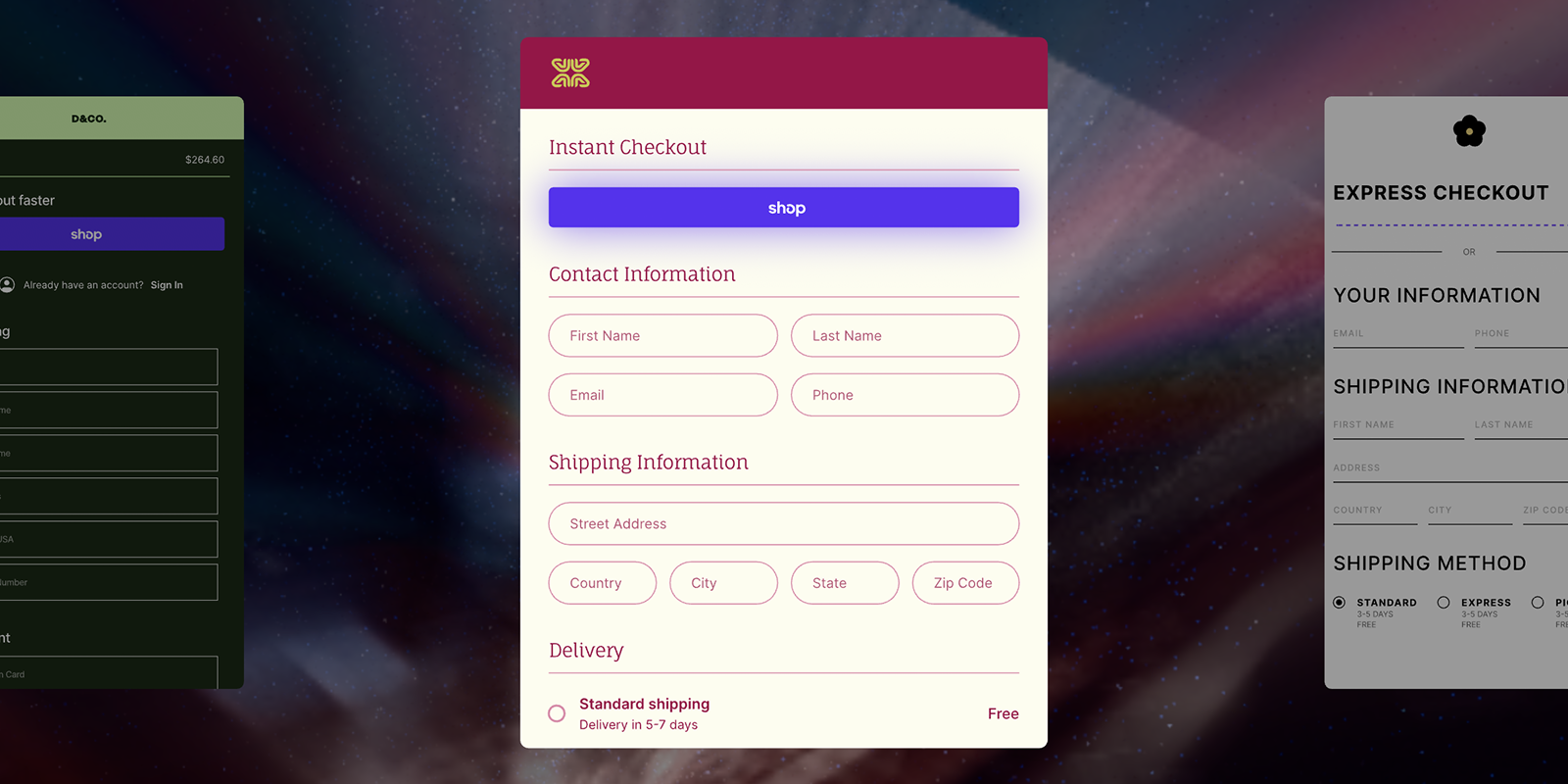
Managed Payment Methods & Expanded Shop Pay
Shop Pay now natively integrates even more hyper-local payment methods, making international checkouts seamless.
Multi-Currency Payouts & Multi-Entity Selling from the Same Country
Financial operations get a major upgrade. You can now receive payouts in multiple currencies natively and handle multi-entity legal structures within a single country without messy configurations.
Global Protections
Order value limits and address format validation are now available across all Shopify plans, protecting your business from fraud and shipping errors before they happen.
Now the real question: which bets are worth making?
Spring '26 is packed with announcements, but not every new feature deserves a spot on your roadmap. The real opportunity isn't adopting everything, it's identifying the few changes that will create a meaningful advantage for your business.
- If you're selling internationally, start exploring regional discounts, enhanced sales channels, and scheduling controls. Together, these features unlock much more sophisticated merchandising and operational strategies.
- If you're running multiple brands or entities, Unified Commerce has finally become a practical reality. For many businesses, Shopify Plus can now replace years of operational workarounds with a much cleaner operating model.
- If you’re running a headless store or evaluating a migration, it’s a good time to rethink architecture for the long term and analyze whether it’s a good time to make big stack decisions or build a new roadmap around it.
- For everyone else, start with your product data. The brands that will benefit most from AI over the next few years won't necessarily have the fanciest tools they'll have the cleanest, richest, and most structured product catalog. Pay attention to your content.
Our biggest takeaway? Shopify isn't just adding AI features. It's building the infrastructure for the next generation of commerce. The brands that win won't be the ones chasing every announcement, they'll be the ones making the right bets early.
Not sure which of these updates actually matter for your business?
Book a Strategy Session with our team, and we'll help you cut through the noise, identify the highest-impact opportunities, and build a roadmap that fits your business not Shopify's release notes.